Wednesday, February 24, 2021

Feeding the Birds


The storm that hit all of the United States over the last week or so didn't affect us as bad as it lots of people for which we have been very thankful. We didn't have any electrical outages. Being retired there was no place we just had to go. I supposed we could have had appointments at the doctors or other things but we didn't and if we had we would have called and cancelled. We did have a total of about 5 inches of snow. At first it was a treat but then it got old. Especially the cold that came with it. But we knew we were not near as bad off as other people were so we tried not to complain. Instead we did what we could for our resident bird population. They were hungry. Boy were they hungry. We went through most of a 40 pound bad of black oil sunflower seeds. We feed several kinds of wild bird food but it is the sunflower seeds they want the most. Here are a few of the photos I was able to get out the window next to the feeders that were on our front porch. It was amazing how they could see the least movement we made to get close to the window to take photos. I would snap a picture and realize the bird was gone. I had to stand perfectly still by the window and wait for the birds to come back and be in a good place for a photo. The first photo is of one of the male cardinals that we have here. You might not see a lot of the birds that are mostly the color of the tree limbs they sit it but the male cardinals are like little red spotlights. The females have a bit of red but not near as much as the males.

Starling eating frozen orange slices. 

A titmouse and a downey woodpecker.

I like the little titmouse birds. 

Purple finch.

Gold finch.

A of the birds seem to like to eat the sunflower seeds that scattered out of the feeders and were on the ground.

Downey woodpecker
One of the cats birdwatching.

A flicker, which is a kind of woodpecker. 

A starling sitting on the hand rail to the 4 steps up to the porch. 

Female cardinal. 

And male cardinal, mate to the one in the above photo. 


Sunday, February 14, 2021

The Cat Castle

The other day I decided to get a new "cat tree" for our four furry friends. 
I ordered one and in a few days it was delivered. It then took two hours for hubby and I to put it together. I had read reviews that said it was hard to put together but wasn't expecting it to be this hard. Hubby was a mechanic and handyman before we retired and was good at anything he decided to take apart or put together or repair. His almost was his undoing. So much of it has to be done as if you are blindfolded. Long screws have to be put down, or up, through the different levels of the cat castle. Because of the way it was designed you have use three hands, or maybe four, and put the screws in places you can not see into. Oh, well, it kept us occupied on a cold day for a while. And while we were building this castle the four cats we were building far laid on the people furniture and napped. A few times they gave us an open eye as if to say "what are those dumb humans up to now." Finally it was done and our Siamese/calico cross Chantilly checked it out and decided the top bed was to her liking. 


Cassie our grey and white cat seemed to like one of the cubby holes. 

 
Chantilly's sister, Silky, wasn't about to leave her rocking chair to try out the new cat tree castle. Our forth cat, Twinkie, wouldn't go near it long enough to get her photo taken. 
 

Friday, February 12, 2021

Birding


 As you may have guessed if you ever read this post that I am a bird watcher. I is called birding. I like to see the little, (and some big) feathered critters. I really like it when they eat unwanted bugs in my yard. But I don't think there is enough natural wild foods for birds any more so I put out a bit of sunflower seeds, millet, and other seeds as wells as some suet cakes for the birds. 

For those that don't know there are a few organizations that do an annual bird count to see if the bird population is declining or improving. I understand that the song bird population has been declining in recent years. Other than not using so many chemicals in the gardens and on farmers crops I am not sure we can do much. But I do my part by feeding the birds. I have not used chemicals in my garden or flower beds ever that I can remember. 

 So this year I decided to do the annual bird count this weekend when I saw it being advertised by one of the local wild life centers here in Kentucky. I went to the website  -ebird- and tried to set up an account like it said to do. It took almost 20 minutes to set up an account as it didn't want to recognize my address and had trouble recognizing Kentucky. Finally got to where I could put in the birds I see and started with woodpeckers as we have about 4 different kinds here. Only it gave a list for ALL the woodpeckers in the world and I was supposed to chose the right one. Had to go through this for all four kinds. Decided to do doves next and couldn't believe how many doves there are in the world and I had no idea what kind we have here. Had the same problems with chickadees, sparrows and even robins. I got out my bird books but have never been sure exactly what kind of little birds we have here. After a hour of fighting with an extremely complicated website I said to heck with it and got off. 

   Someone wants people to do this for them but makes it so hard you give up. So what is the point. I wouldn't have got anything out of it except to know I did it. Why does it have to be so complicated???

   This is not the only web site that is making every thing on their sites more and more complicated. Just like this blog, which is run by google. I used to be able to just click one place and put my photos on. Now I have to click at least 3 places and sometimes more to put the photos on. Plus putting labels on is a lot more trouble. Just saying. With more and more people staying home do to Corvid and bad weather we would like to be able to do a few things at home 'just for the fun of it', 

I will just keep my own little list of the birds I see. 

Thursday, December 31, 2020

Thursday, November 12, 2020

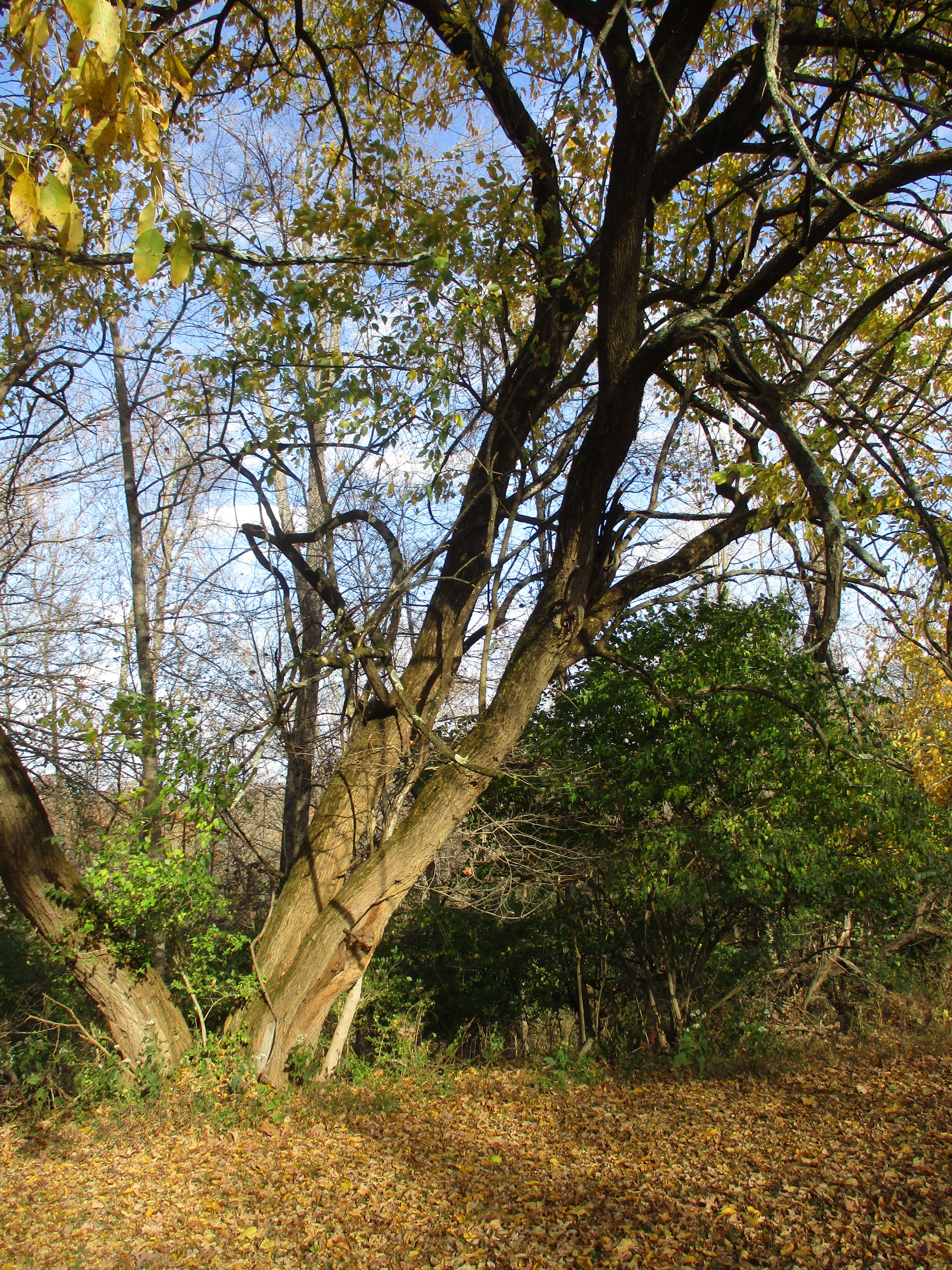
Osage Orange Tree

The other day we took what has become an almost weekly trip around the town and country side of Carrollton and Carroll County Kentucky. We went up on General Butler State Park and stopped by a tree we had passed dozens of time and never stopped at. After walking up to the tree we found what we took to be unusual fruit laying under it. Very large, about the size of a large grapefruit. Pale yellow-green they looked like a mass of worms or maybe brains. (Not that I have ever actually seen brains.) The leaves were small tree leaves, nothing special about them, the bark of the truck was ribbed and rough. So when I got home the first thing I did was get on the computer and see if I could find it. I found out it was an Osage Orange. And not eatable. At least not for people. It did say that it is sometimes eaten by deer. Of course as everyone knows deer can eat a lot of plants that people and even other hoofed animals can't. The Osage orange is native to the United States and was found mostly in Texas but has been planted lots of other places. Native Americans like the wood for making bows and spears as it is hard but bends easily. Of course with the shape and look of the fruit or seed pod there are all kinds of nick names for this tree. Some are Monkey Brains and Horse Apples. (For those that don't know horse poop is sometimes called horse apples but as much as I have been around horses I have never seen any horse poop this big.) Some of the information said this tree makes a good hedge to keep deer our of gardens but I like it better as a large tree. 


On part of our drive we stopped at Point Park by the Ohio River.


Nice clouds by some large fields.


Wednesday, November 11, 2020

After the Harvest

This was one of the fields that were full of soy beans yesterday when they were harvested. Sure is nice to be able to see across the field again.

Ziva checking out the field and smelling for mice and other rodents that are out there.

As good as that harvester seems to be at getting the soy beans out of the shells it does seem to loose quite a few. This is a picture of a few that got left behind.


This red tree is across the field and I have been trying to figure out what kind of tree it is. Maybe I'll be able to walk over there some time and see it closer. 


Harvesting Soy Beans

A crew came out over the past few days and harvested the soy beans that are in the fields around us. I hope they didn't mind that I took some photos. I find it very interesting. So many people that live in cities have no idea of the work involved in farming which is where we get all of our food. The soy beans were planted in the spring and I have watched them growing all summer and now into the fall. These are photos of the harvesting. It is amazing that they can make a big machine like this that can cut the whole plant then separate the beans from the leaves and stem. The leaves. stems and hulls are discarded by the machine to go back into the soil as a mulch. 


This photo is of the dried you bean plants right before harvesting.


The beans being sent from the harvester into a waiting truck. I guess from the truck will take the soy beans to a silo near by until they are bought by a company that will process them into a food product.